WHY
Reflections look real
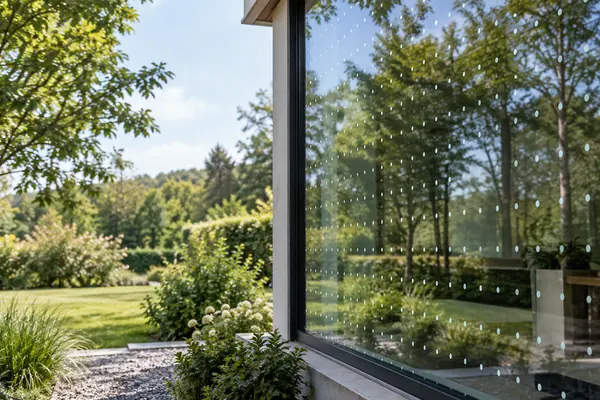
Birds hit glass because they take reflected trees and sky for the real thing, or try to reach greenery they can see through it.
See the numbers doodlehit
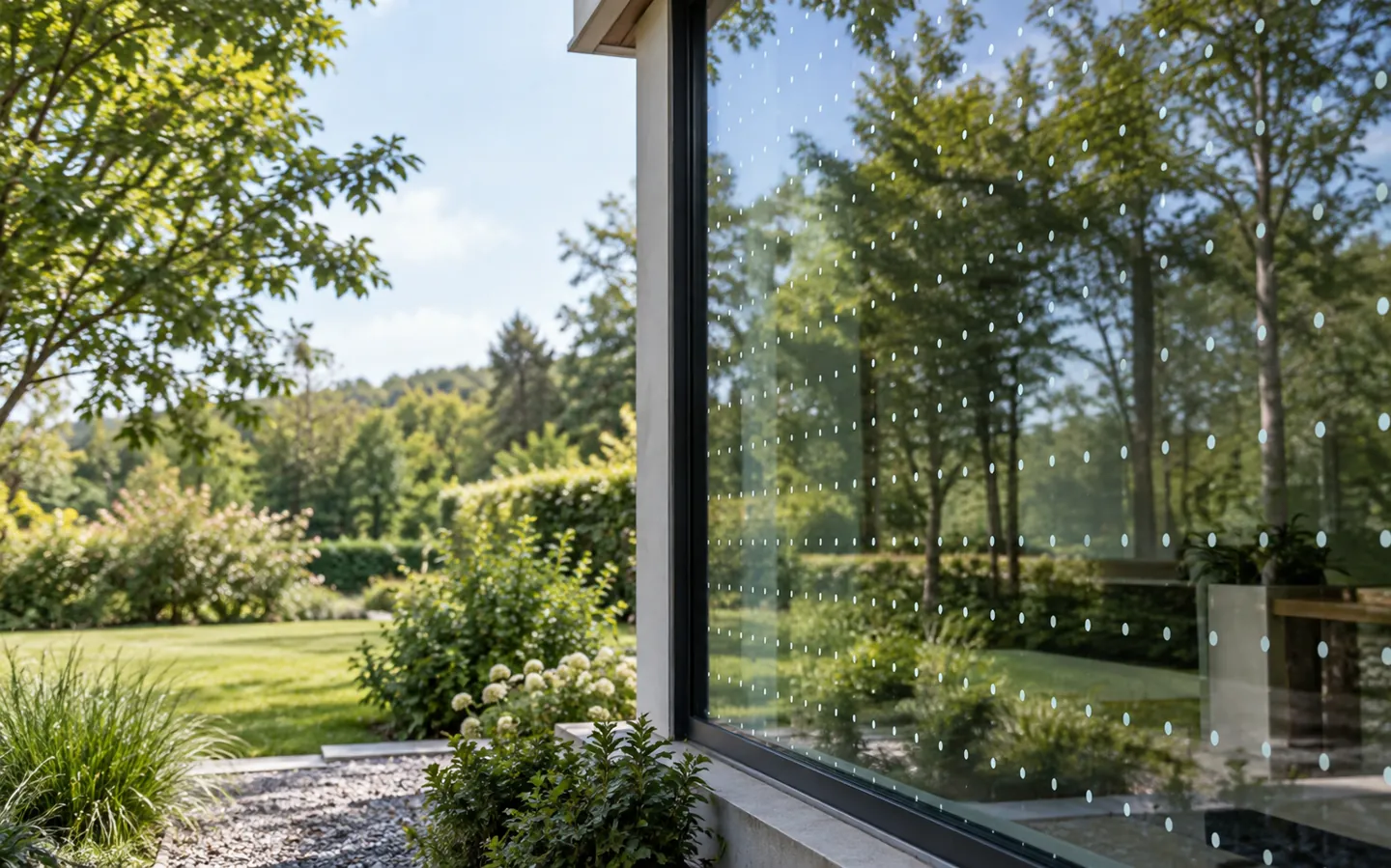
5 × 5 cmmarker spacing
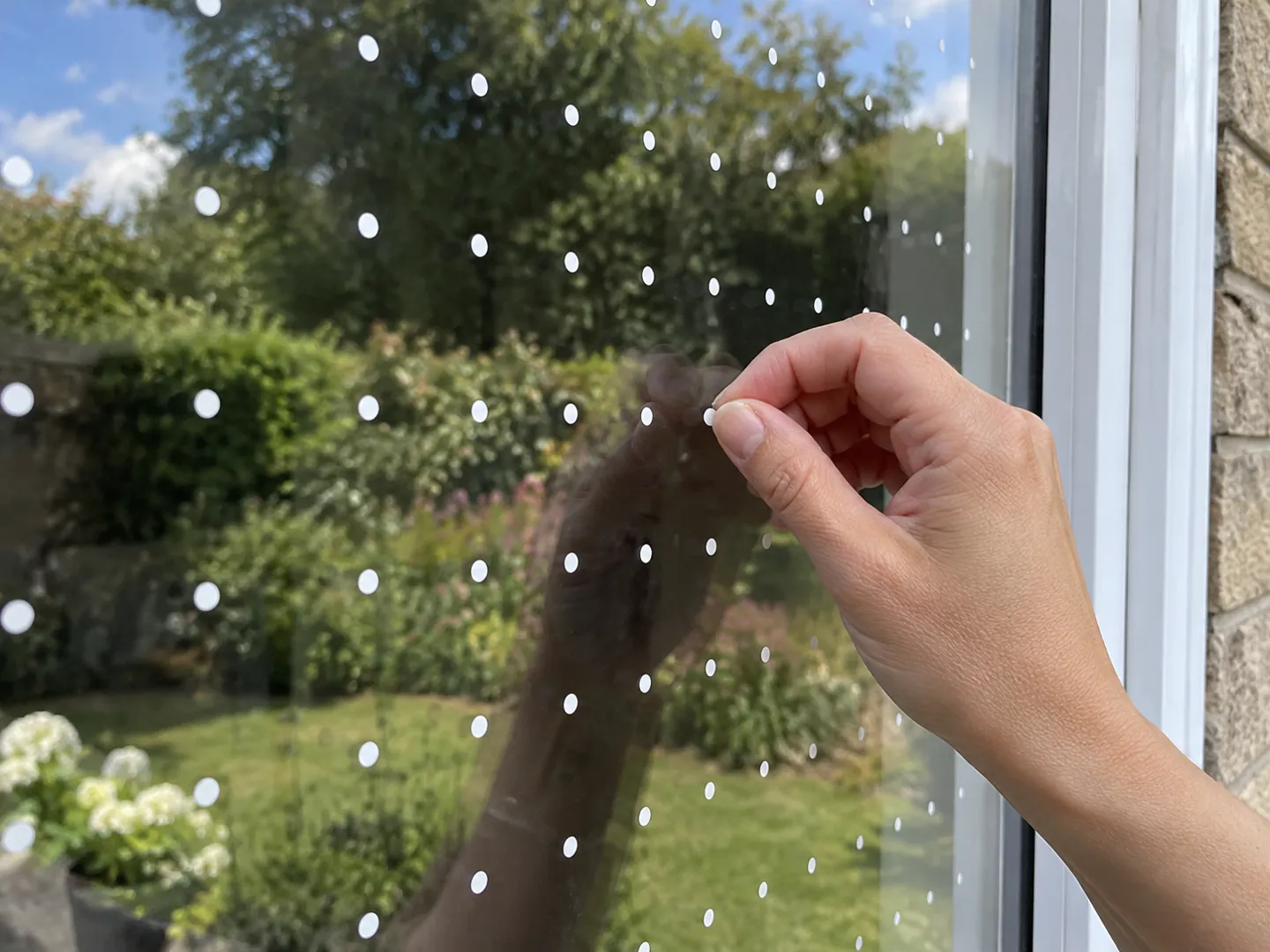
Reflections of greenery and clear views through glass look like open flyway. Bird conservation researchers keep coming back to one fix: give the glass a pattern birds can see, on the outside.
Updated
THE SHORT ANSWER
Most strikes happen in daylight, at ordinary windows.
Most can be prevented at home.
WHY
Birds hit glass because they take reflected trees and sky for the real thing, or try to reach greenery they can see through it.
See the numbersFEEDERS
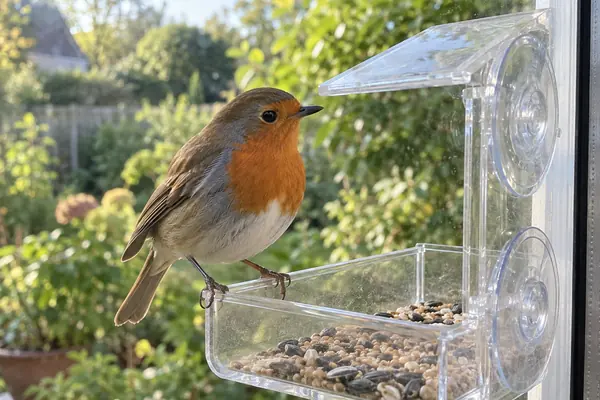
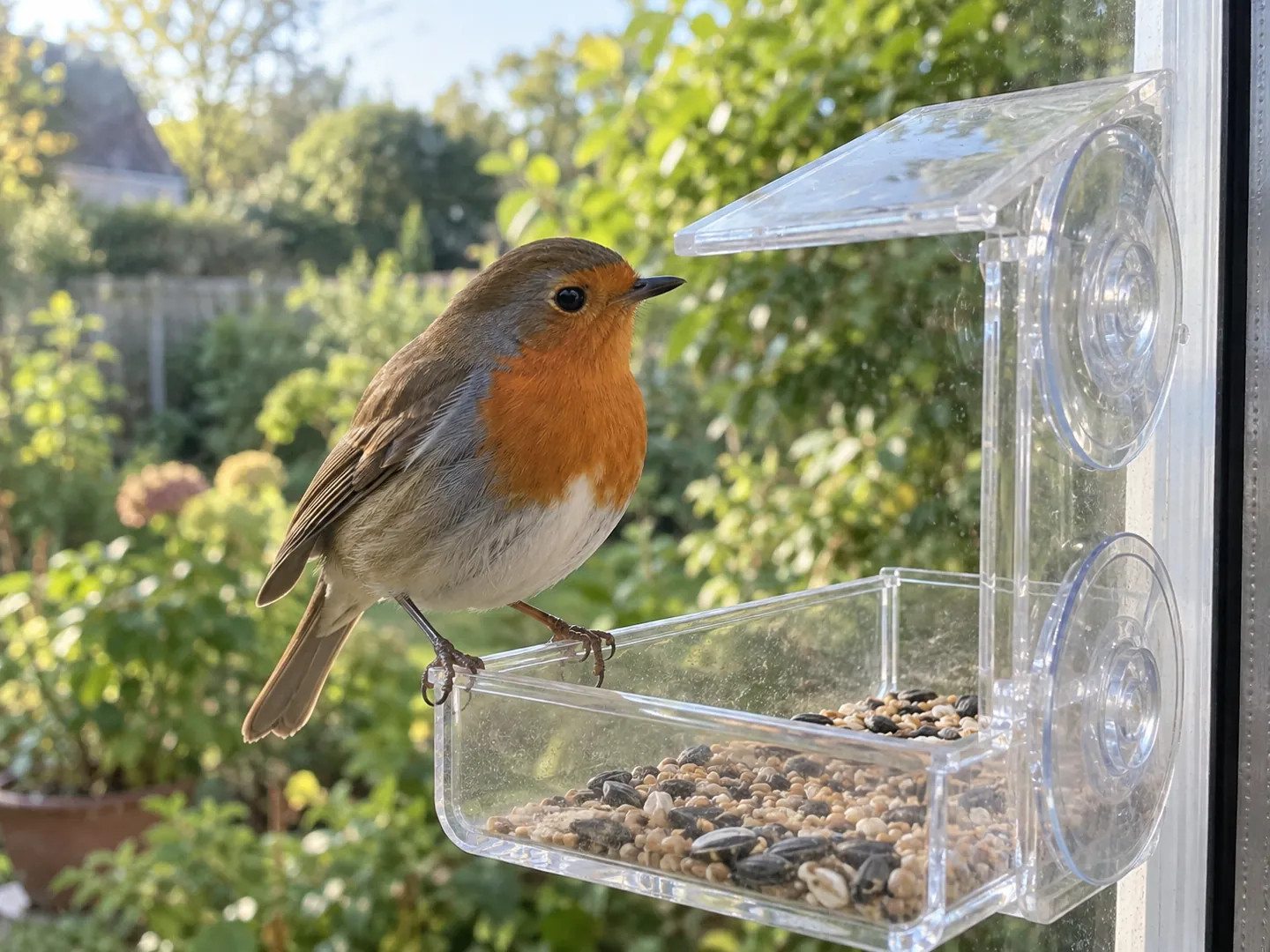
UBC advice is to put feeders within half a metre of a window, so birds cannot build up speed before they reach the glass.
How to do itMARKINGS
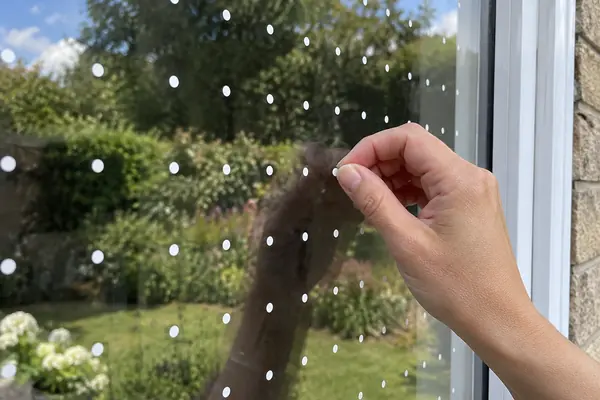
One bird-of-prey sticker does not scare birds away. A pattern with gaps of about 5 cm, on the outside, works.
Check a fixA QUICK WINDOW CHECK
Pick a common window fix to see what bird conservation guidance says about it. The bar shows how strongly the guidance backs it.
Based on advice from the University of British Columbia, National Audubon Society and American Bird Conservancy.
TWO NUMBERS WORTH KNOWING
One estimate of the scale,
one of where it happens.
365–988 million
Birds killed by buildings each year, US
A 2014 review of 23 studies by Smithsonian and US Fish and Wildlife Service scientists estimated between 365 and 988 million birds are killed by building collisions in the US each year.
SCALE · LOSS ET AL. 2014
≈ 44%
Share of deaths at homes
The same study put about 44 percent of that mortality at houses, about 56 percent at low-rise buildings and less than 1 percent at high-rises.
WHERE · LOSS ET AL. 2014
In Canada, an estimated 16 to 42 million birds die each year after hitting building windows, UBC reports. Audubon says that for every victim found, three more typically go unseen.
FOUR STEPS TO TRY
American Bird Conservancy says a small number of problem windows often cause most strikes. Fixing those first can stop almost all of them.
Start with windows birds have already hit, big panes and glass doors that reflect greenery or sky, and windows facing feeders or bird baths.
Draw a pattern with a bar of soap or tempera paint, or use marker tape, keeping gaps to about 5 cm.
Fix it to the window or within half a metre of it, so birds leaving it are moving slowly.
Indoor greenery seen through the glass can draw birds towards it, so keep plants back from untreated windows.
WHEN IT HAPPENS
American Bird Conservancy says collisions are most frequent during spring and autumn migration, and young birds exploring their area in summer hit glass more often. They happen in winter too, especially near feeders.
Most strikes happen in daylight. Lights left on at night can draw migrating birds into built-up areas, so they meet more glass the next morning. New energy-efficient windows can be more reflective, and people often notice more strikes after replacing them.
Questions
They see reflections of trees, sky or landscape as real, or try to reach greenery and open space they can see through the glass. Unlike people, they do not learn the cues that tell us glass is there.
Not on their own. UBC advice says research has shown a single bird-of-prey decal does not frighten birds away. A dense pattern across the glass is what works.
UBC advice puts the ideal at markers every 5 by 5 centimetres. American Bird Conservancy uses a similar rule of gaps no wider than two inches, and says bigger, white marks work best.
Either right on the window or within half a metre of it. At that distance birds cannot gather enough speed to be badly hurt if they do hit the glass.
No. The 2014 US estimate put about 44 percent of building collision deaths at houses and under 1 percent at high-rises, because there are so many homes.
ABOUT THIS NAME
doodlehit.com is part of the DoodleSale portfolio. It isn't in an auction right now, but you can ask about leasing it.